
Still.nest is a desk divider for co-working spaces. The product challenges the possibilities of microcemento, transforming it from coating into a new material.
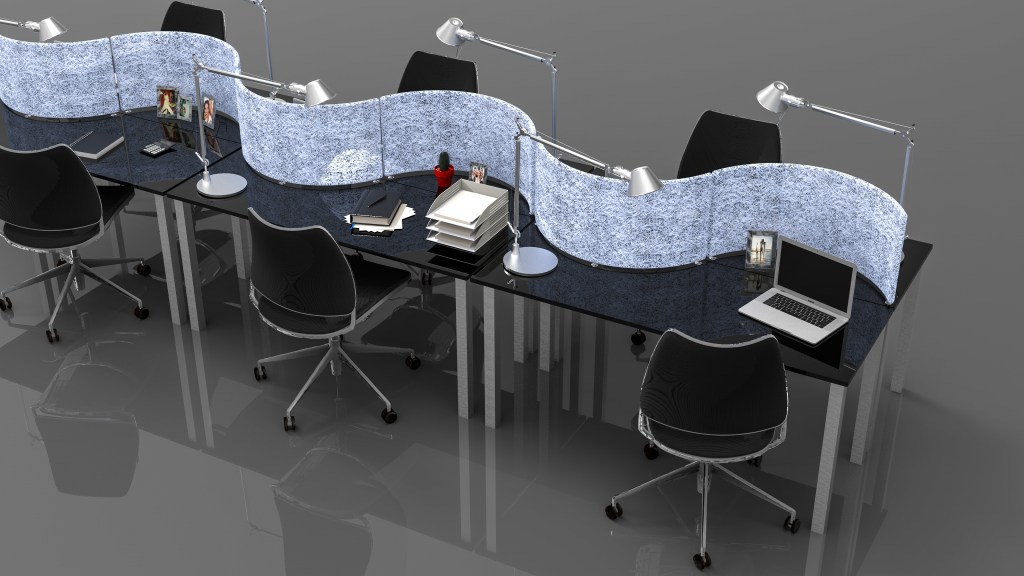
“Still.nest” was developed during my last year of Bachelor’s Degree in Industrial Design (Final Synthesis Studio, Proff. M. Bisson and S. Palmieri), in partnership with the company Sika, which works in the construction sector. It was an individual project.
Sika’s request was to give new shape and use to a material they produce: microcemento. This material is commonly used only as coating on surfaces, without having any structural property. For this reason, imagining new applications for it was a very hard challenge, which involved active experimentation and research. “Still.nest” is the innovative solution I got to: the product challenges the habitual uses of this material, giving it a 3D volume and sound-absorbing properties.
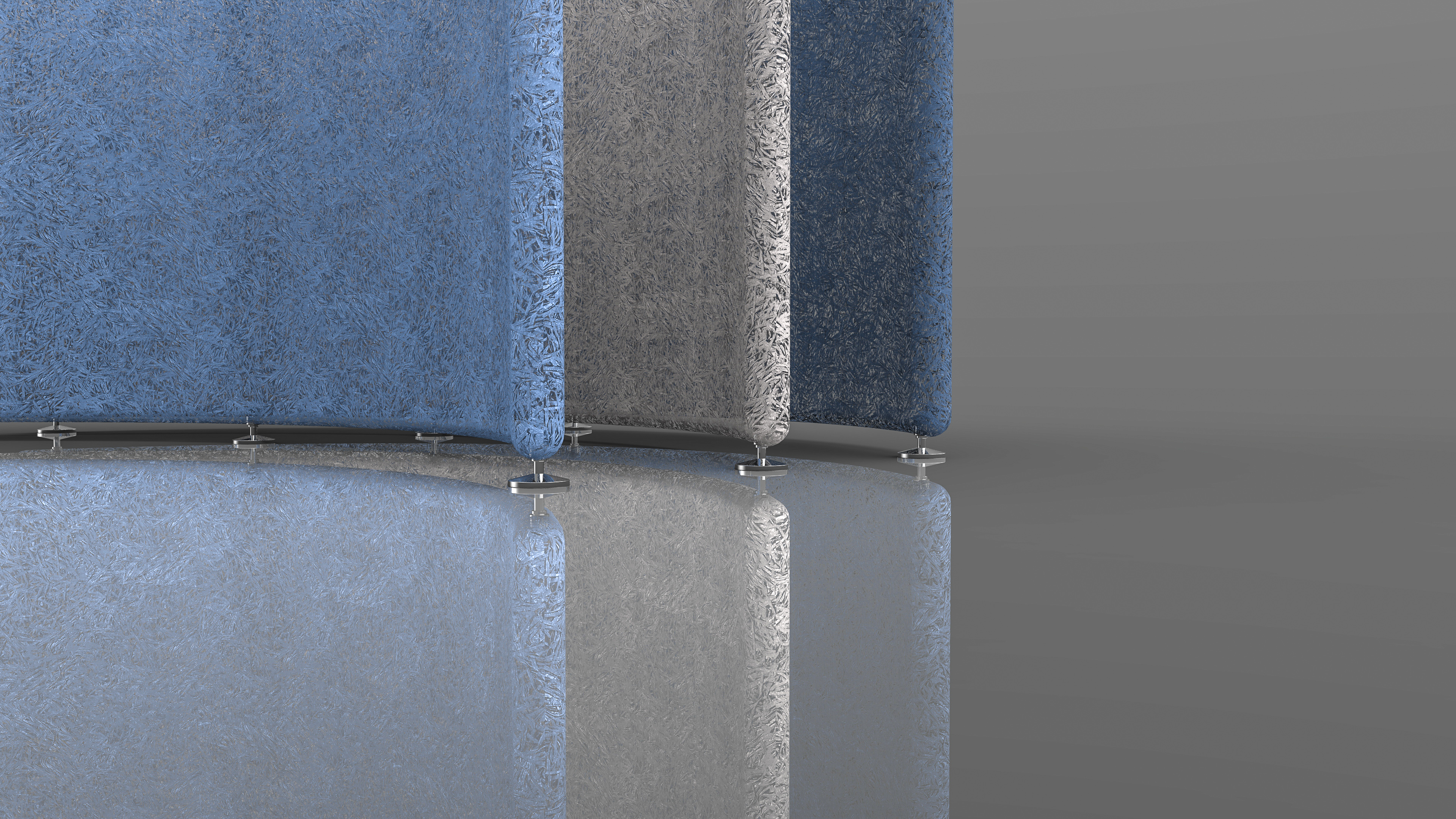
The research phase focussed on different aspects: the identity of the company, the specific features of “microcemento”, the innovative materials, the social, indoor and technological future trends. To improve its mechanical features, I tried to mix it with other materials, thus creating samples. Wood-wool, in particular, offered me interesting results: combined with microcemento, it created a resistant compound, with a very cool texture. This texture was also interesting because, being full of holes and cavities, it had sound-absorbing properties.
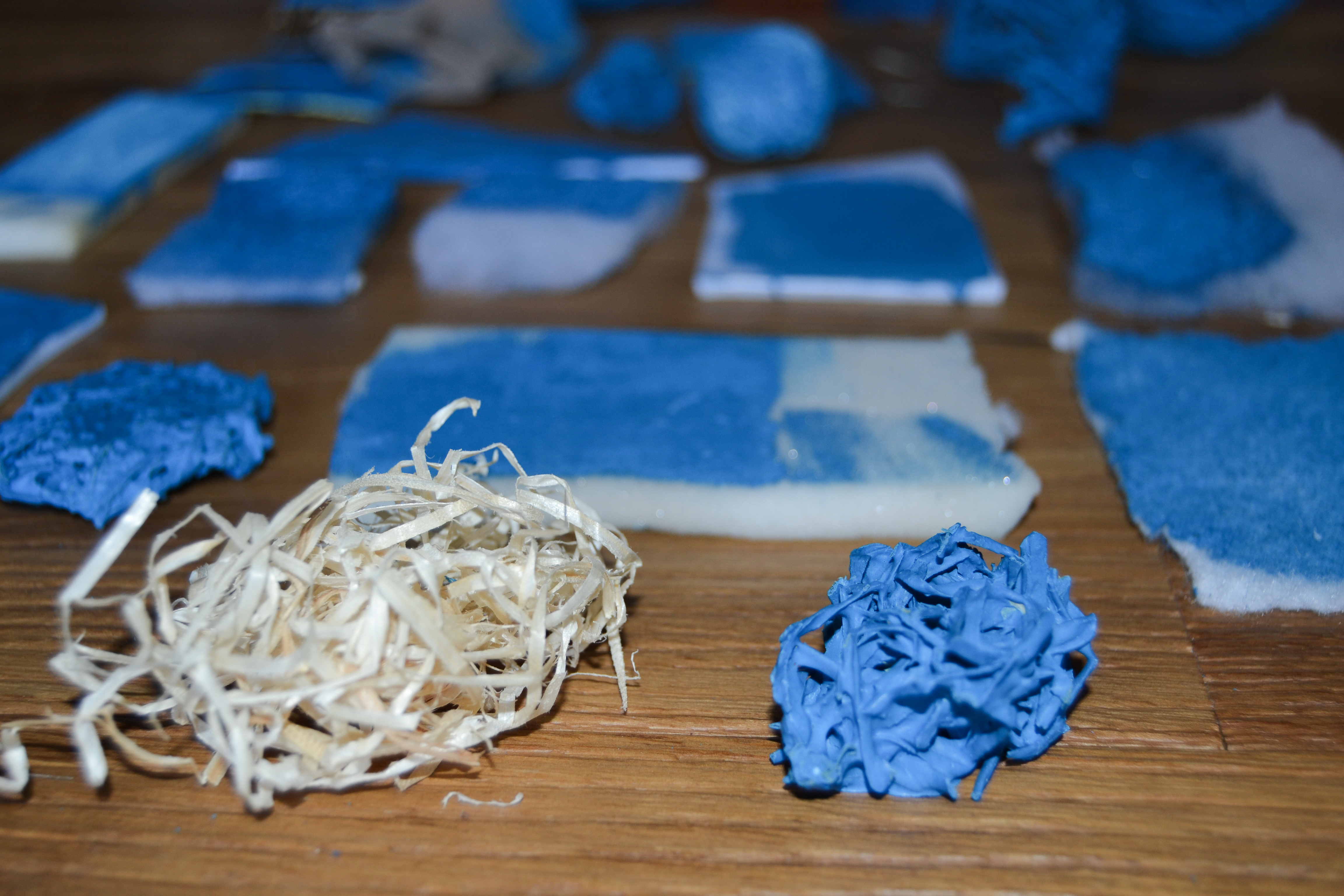
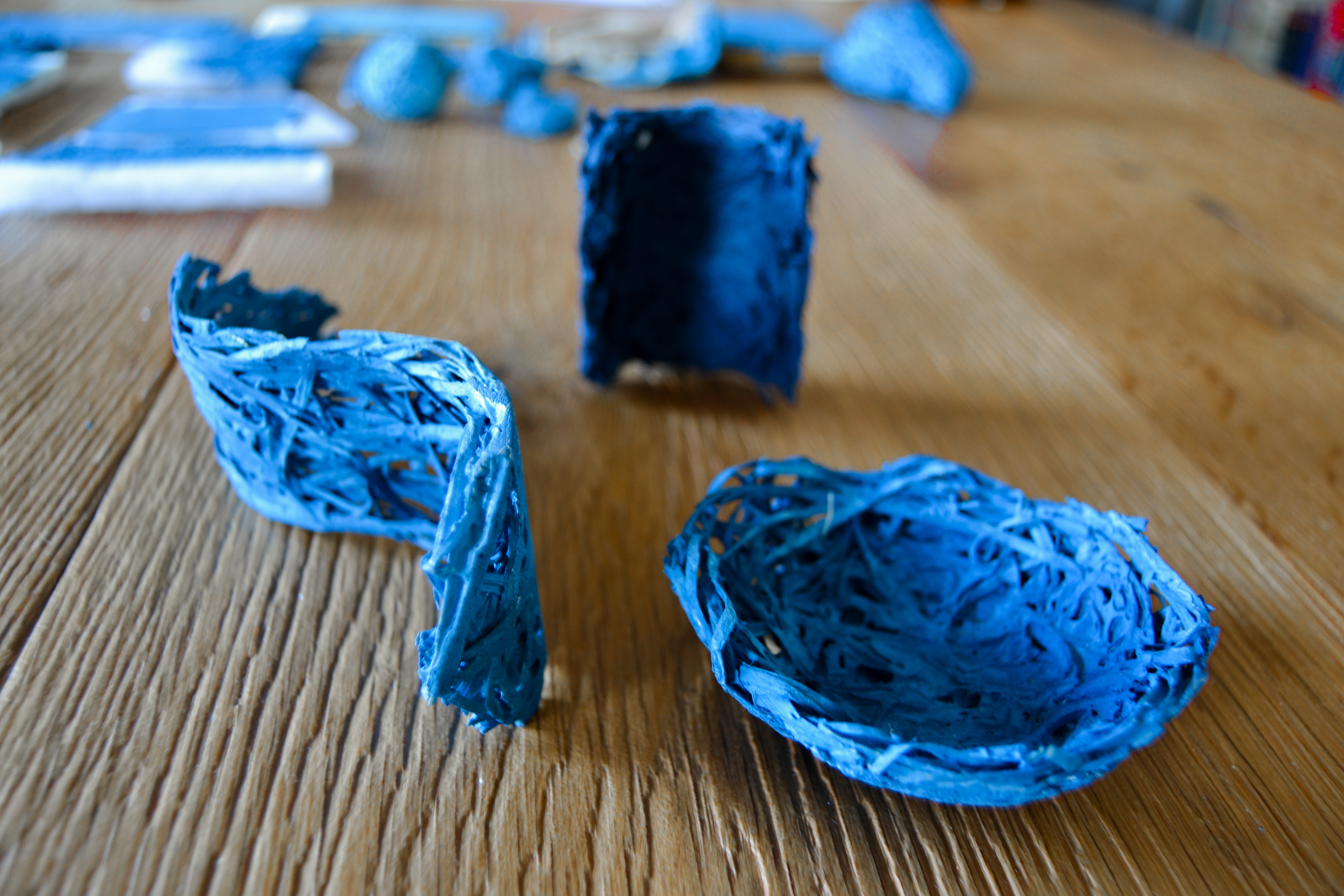
After this intensive experimentation, which resulted in the selection of the compound of wood-wool and microcemento – I approached the brainstorming phase to explore different scenarios. One of them was the use of this material inside co-working spaces, which will be a future trend, and where materials with sound-absorbing properties are particularly needed.
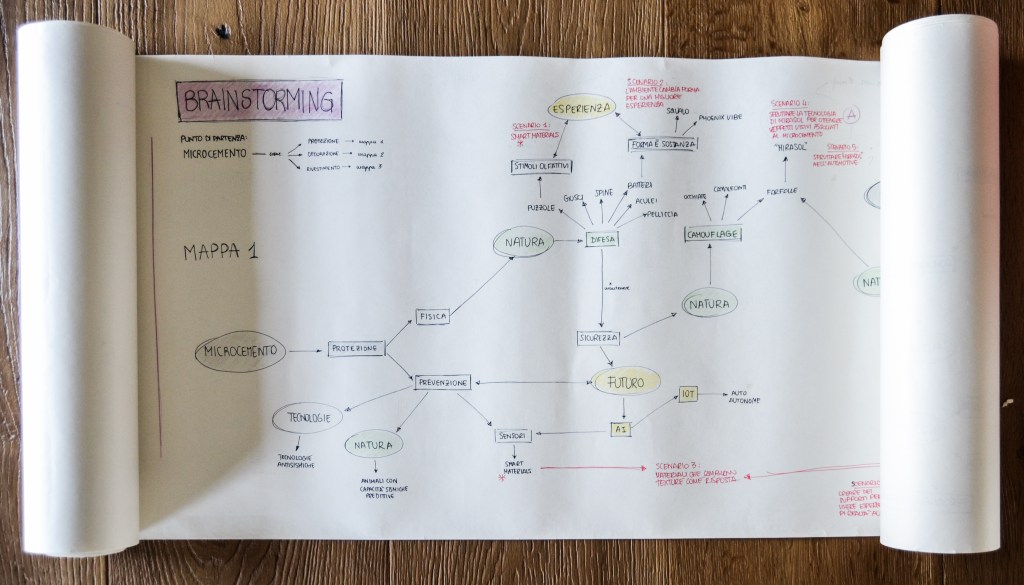
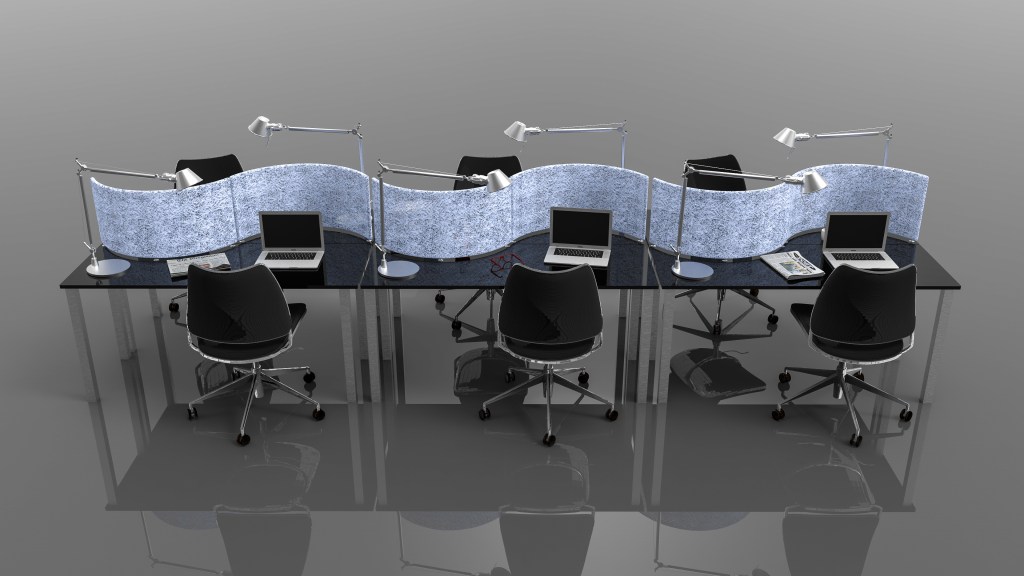
In the context of co-working spaces, users need privacy and this made me think of exploiting the material to create a desk divider. I developed the shape of the module by thinking of privacy, ergonomics and practical usability. I wanted to convey an idea of protection, like in the birds’ nests, which the texture of wood-wool made me think of. In this way the material, with its particular texture, has been enhanced both from a functional and an aesthetic perspective.
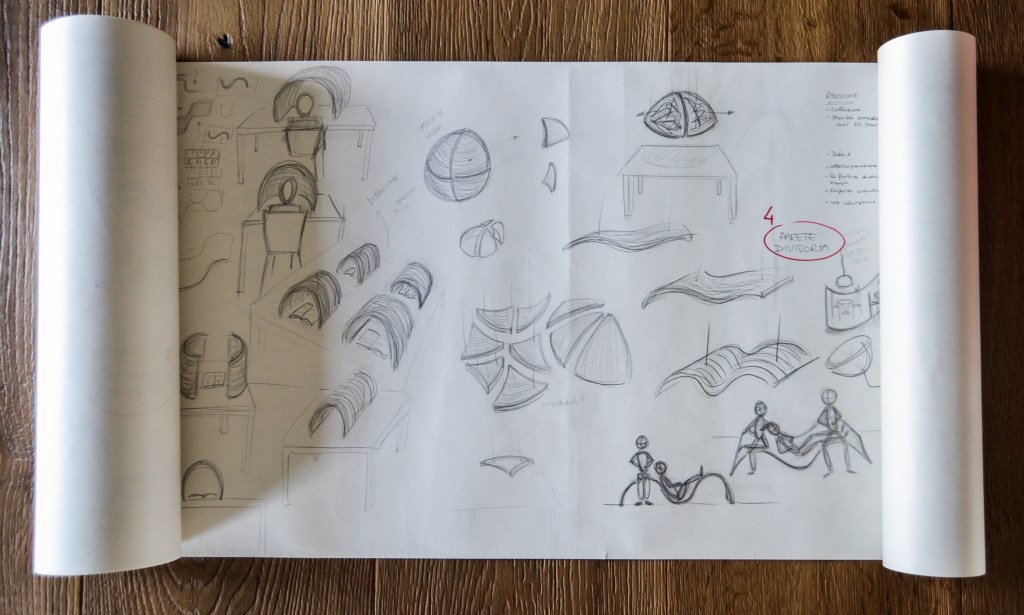
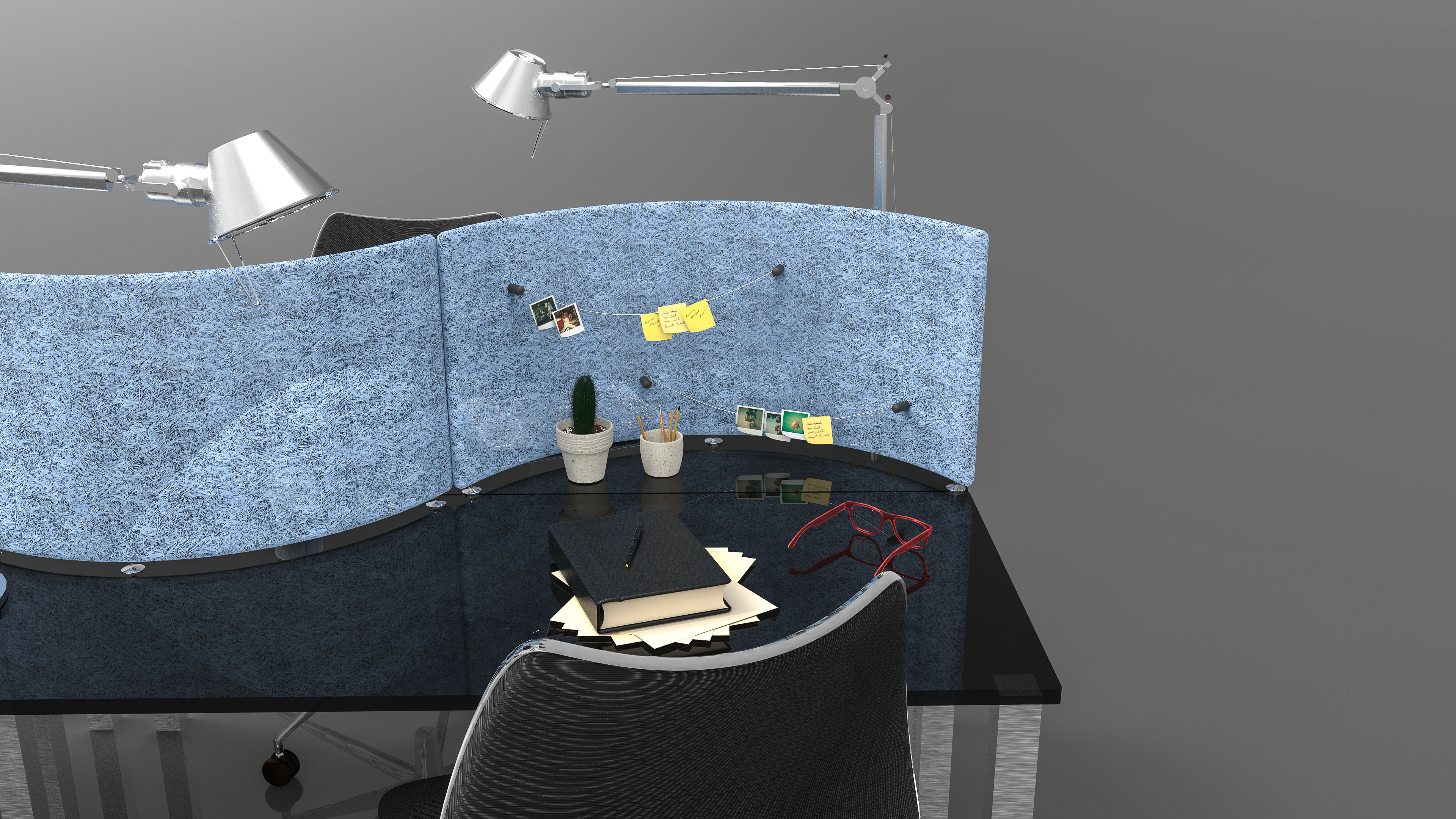
“Still.nest” is a module which can be piled up. Its curvature is designed to embrace the user, giving privacy to his workstation in a discreet way. The sheer texture makes the module sound-absorbing, creating privacy without isolating. The possibility of drowning the elements into the matrix makes the module customisable. This is very important in co-working spaces, where the user shares his workplace with other people.
 SERENA CROTTI PORTFOLIO